Website Development for Indian E-Commerce Brands: What Really Works
In the bustling digital marketplace of India, where e-commerce sales are projected to soar past $200 billion by 2026, having a robust online presence is no longer optional it's essential. Indian e-commerce brands face unique challenges, from navigating diverse regional preferences to integrating local payment systems like UPI and Paytm. As a website development company in India, we've seen firsthand how the right website can catapult a brand from obscurity to market dominance. This article explores what really works in website development for Indian e-commerce brands, drawing on proven strategies, real-world examples, and insights to help you build a site that converts visitors into loyal customers.
The Unique Landscape of Indian E-Commerce
India's e-commerce scene is a melting pot of innovation and complexity. With over 600 million internet users and a smartphone penetration rate exceeding 50%, the market is ripe for growth. However, brands must contend with factors like multi-lingual audiences (Hindi, English, regional languages), varying internet speeds, and a preference for mobile shopping. A website development company in India understands that one-size-fits-all solutions don't work here; customization is key.
Cultural nuances play a big role too. Indians value trust, with features like customer reviews and secure payments being non-negotiable. Logistics add another layer integrating with services like Flipkart's or Amazon's fulfillment networks requires seamless backend systems. Successful website development for e-commerce in India means blending global best practices with local sensibilities, ensuring the site feels familiar yet cutting-edge.
Core Elements of Effective Website Development
At the heart of any winning e-commerce site are foundational elements that drive user engagement and sales. First, responsive design is paramount. With 90% of Indian users accessing the web via mobiles, a website development company in India prioritizes mobile-first approaches. This means fluid layouts that adapt to screens of all sizes, from budget smartphones to high-end devices.
User experience (UX) is next. Intuitive navigation, fast load times (under 3 seconds), and clear calls-to-action (CTAs) keep visitors hooked. For Indian brands, incorporating features like voice search in regional languages or one-click ordering via WhatsApp can significantly boost conversions. Security is crucial too implementing SSL certificates and compliance with data protection laws like India's PDP Bill builds trust in a market wary of cyber threats.
Content is king, but in India, it's multilingual. A top website development company in India ensures sites support multiple languages, using tools like Google Translate API or custom localization. High-quality visuals, videos, and AR try-on features for fashion or jewelry brands add flair, making shopping interactive and fun.
Best Practices for Indian E-Commerce Websites
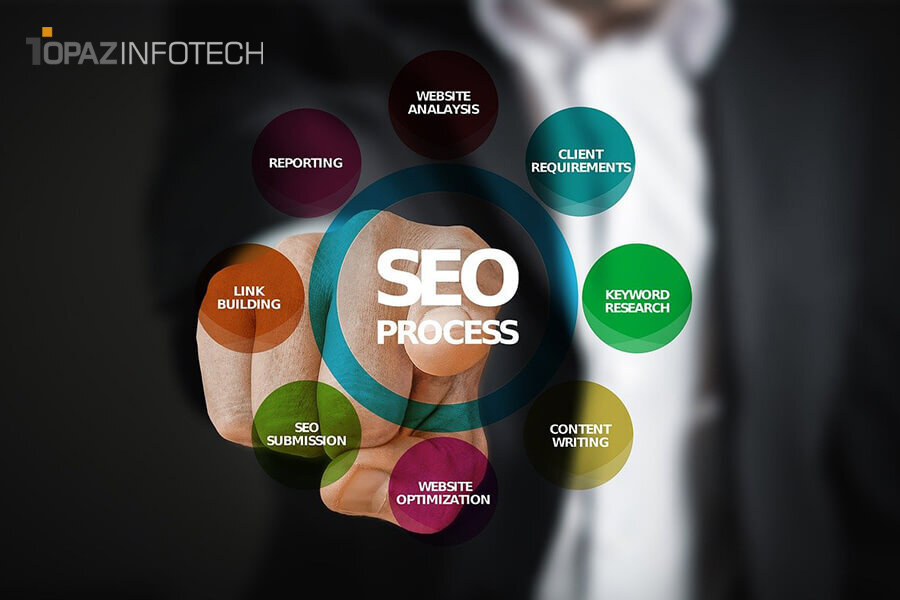
What really works? Let's break it down with actionable strategies. Start with SEO optimization tailored to India. Keywords like "buy sarees online" or "affordable smartphones" dominate searches, so a website development company in India integrates local SEO, including schema markup for rich snippets and mobile indexing.
Personalization is a game-changer. Using AI-driven recommendations based on browsing history or location (e.g., suggesting monsoon essentials in Kerala) can increase average order values by 20-30%. Payment gateways must be diverse integrating Razorpay, PayU, or Cash on Delivery (COD) caters to India's cash-heavy economy.
Speed and scalability matter. Indian e-commerce websites often face traffic spikes during festivals like Diwali. A robust website development company in India uses cloud hosting (e.g., AWS or Azure) for auto-scaling, ensuring sites handle millions of visitors without crashing. Analytics tools like Google Analytics track user behavior, informing iterative improvements.
Sustainability is gaining traction. Eco-friendly packaging options or carbon-neutral shipping appeals to younger, conscious consumers. Brands like Nykaa have thrived by highlighting ethical sourcing, a trend website developers should incorporate.
Overcoming Challenges in Indian E-Commerce Website Development
Building for India isn't without hurdles. Budget constraints often limit small brands, but a website development company in India offers scalable solutions like open-source platforms (WordPress with WooCommerce) that keep costs low. Technical challenges, such as integrating with India's fragmented logistics (e.g., connecting to multiple couriers), require APIs and middleware.
Regulatory compliance is another beast. Adhering to GST rules, consumer protection laws, and anti-fraud measures demands expertise. A seasoned website development company in India navigates this, ensuring sites avoid penalties.
Cultural and linguistic diversity can complicate things. Missteps in translation might offend, so thorough testing with diverse user groups is essential. Lastly, competition is fierce standing out requires unique selling propositions (USPs) like exclusive deals or community features.
Solutions include phased development: start with an MVP (Minimum Viable Product) and iterate based on feedback. Partnering with local agencies ensures cultural relevance, while ongoing maintenance prevents downtime.
Real-World Success Stories
Take BigBasket, India's grocery giant. Their website, developed with a focus on hyper-local delivery and real-time inventory, has revolutionized online shopping. By prioritizing UX with features like voice ordering, they've achieved massive user retention.
Another example is Myntra, whose website development emphasized personalization and AR fitting rooms. As an Indian e-commerce website development success, it integrates seamlessly with social media, driving viral traffic.
Even startups shine. Brands like Lenskart used a website development company in India to create a site with virtual try-ons, boosting conversions. These stories highlight that what works is a blend of technology, local insight, and user-centric design.
Future Trends Shaping Indian E-Commerce Websites
The future is exciting. AI and machine learning will enable predictive analytics, suggesting products before users search. Voice commerce, powered by assistants like Alexa or Google Home, will grow as smart speakers proliferate.
Blockchain could enhance security for payments, while AR/VR will make virtual shopping immersive. A website development company in India is already experimenting with these, preparing brands for Web 3.0.
Sustainability will deepen, with sites tracking carbon footprints. As 5G rolls out, faster speeds will enable richer media, transforming how Indians shop online.
Building for Success in India's Digital Age
Website development for Indian e-commerce brands is about more than code it's about connecting with a diverse, dynamic audience. By focusing on mobile responsiveness, local SEO, secure payments, and cultural relevance, brands can create sites that not only work but excel. Partnering with a reputable website development agency in India ensures you're equipped for the challenges and opportunities ahead.
In a market where trust and innovation reign, the right website isn't just a tool; it's a gateway to growth. Invest wisely, iterate constantly, and watch your Indian e-commerce brand flourish in the digital landscape.